
Dumji Festival [2026] : The Ultimate Guide to Sherpa Culture & Celebrations

Hidden among the breathtaking Himalayan peaks, where ancient monasteries overlook peaceful valleys and colorful prayer flags flutter in the mountain breeze, the Dumji Festival stands as one of the most meaningful celebrations of the Sherpa community. Rich in Buddhist traditions, vibrant ceremonies, and centuries-old customs, Dumji is far more than a local festival—it is a powerful expression of faith, gratitude, unity, and cultural identity.
Every year, Sherpa families gather in villages across the Everest region to celebrate this sacred occasion with religious rituals, masked dances, communal feasts, and heartfelt prayers. For travelers, Dumji offers an extraordinary opportunity to experience authentic Himalayan culture beyond trekking trails and mountain scenery.
Whether you are planning a trip to Nepal or simply want to learn about Sherpa traditions, this guide explores everything you need to know about the Dumji Festival.
What Is the Dumji Festival?
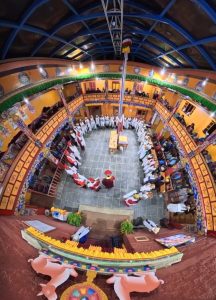 Dumji is one of the most important religious festivals celebrated by the Sherpa people of Nepal. Dumji is dedicated to Guru Rinpoche (Padmasambhava), the revered Buddhist teacher widely credited with establishing Vajrayana Buddhism throughout the Himalayan region during the 8th century.
The celebration follows the Tibetan lunar calendar and usually takes place during the fifth lunar month, which normally falls between June and July. Since the festival is based on lunar dates, the exact celebration changes each year.
Although every Sherpa village follows its own schedule and traditions, the purpose remains the same—to pray for peace, prosperity, protection, good harvests, safe journeys, and the well-being of every family.
Today, Dumji continues to unite communities while preserving the cultural heritage that has shaped Sherpa society for generations.
The History Behind Dumji Festival
The origins of Dumji stretch back several centuries. According to Sherpa oral tradition, the festival was introduced by respected Buddhist leaders to strengthen religious practice and protect mountain communities from illness, natural disasters, and misfortune.
Over time, the festival became deeply woven into Sherpa life. Monasteries evolved into centers of both spiritual learning and community gatherings, while Dumji became an annual opportunity for families living in different villages to reunite.
Even today, many Sherpas who have moved to Kathmandu or abroad return to their ancestral villages to participate in this important celebration.
Why Is Dumji Festival Important?
For the Sherpa people, Dumji represents much more than a religious event.
It reminds the community of Buddhist values such as compassion, generosity, mindfulness, and respect for all living beings. The prayers performed during the festival are believed to remove negative influences while inviting blessings for both individuals and the entire community and villages.
The festival also strengthens relationships between families, preserves traditional customs, and teaches younger generations about their cultural roots.
In an age of rapid modernization, Dumji continues to keep centuries-old traditions alive.
How Dumji Festival Is Celebrated

Although each village follows slightly different customs, most celebrations unfold over several meaningful days. At the first, we welcome all the Monks (lama) from Tengboche and serve them Tea and snacks. After that day All the Dumji Organizer (lawa) will Gather at Gumba Early in the morning and Pray. After that day the m,ain day of dumji will start.
Day One: Preparing for the Festival and welcoming Khumbiyulha.
 Preparation begins several days before the official celebration.
Families clean their homes thoroughly, monasteries are decorated, prayer flags are replaced, and offerings are carefully prepared. Villagers travel from neighboring settlements, creating a joyful atmosphere long before the ceremonies begin.
Inside the monastery, monks arrange sacred objects, prepare ritual offerings, and begin preliminary prayers.
In this Day we Also welcome Khumbiyulha (god which is known for protecter of khumbu region) by wearing custome and mask and offering khada.
After offering khada khumbiyulha will give khada to us which is like taking bleassing.
Day Two: Sacred Buddhist Ceremonies and Jingsang
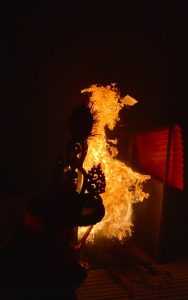 The second day focuses on spiritual rituals.
Monks chant ancient Buddhist scriptures while playing traditional instruments such as long horns, drums, cymbals, and conch shells. Butter lamps illuminate monastery halls as incense fills the air.
Offerings of rice, barley, butter, flowers, and ceremonial foods are presented to Guru Rinpoche and protective deities.
In the Night Time monk chant mantra and perform Jingsang by Burning huge fire outside gumba. It is belived that performing Jingsang will remove all the negativity and all the suffer.
Day Three: The Spectacular Cham Mask Dance
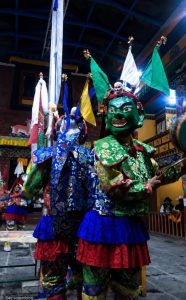 One of the highlights of Dumji is the famous Cham dance.
Performed by Buddhist monks wearing beautifully crafted masks and colorful robes, these sacred dances represent stories from Buddhist teachings.
Each movement carries symbolic meaning.
Some masks represent peaceful deities.
Others portray powerful protectors who remove obstacles and negative energies.
Unlike ordinary performances, Cham dances are considered religious ceremonies. Every step, gesture, and rhythm follows traditions passed down through generations.
Visitors often describe this as the most unforgettable part of the festival.
Day Four: Community Gathering,Michiri and Ong
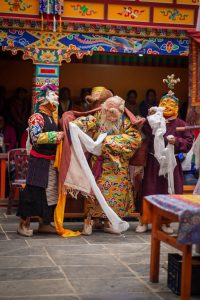 After the formal religious ceremonies, the celebration becomes a lively community gathering. In this day there will be a play of michiri and after that there will be ong where all the people will worship the lama.
After that the current Dumji Organizer will welcome next dumji organizer with dance wearing khada.
The atmosphere becomes joyful as people sing traditional songs, dance together, exchange stories, and celebrate friendships that often span generations.
Where Is Dumji Festival Celebrated?
Dumji is celebrated across many Sherpa settlements in Nepal.
Some of the most well-known celebrations take place in:
- Namche Bazaar
- Khumjung
- Kunde
- Thame
- Pangboche
- Tengboche
- Phortse
- Khunde
- Other villages throughout Solukhumbu
Each community celebrates according to its own traditions, making every Dumji experience unique.
Traditional Clothing During Dumji
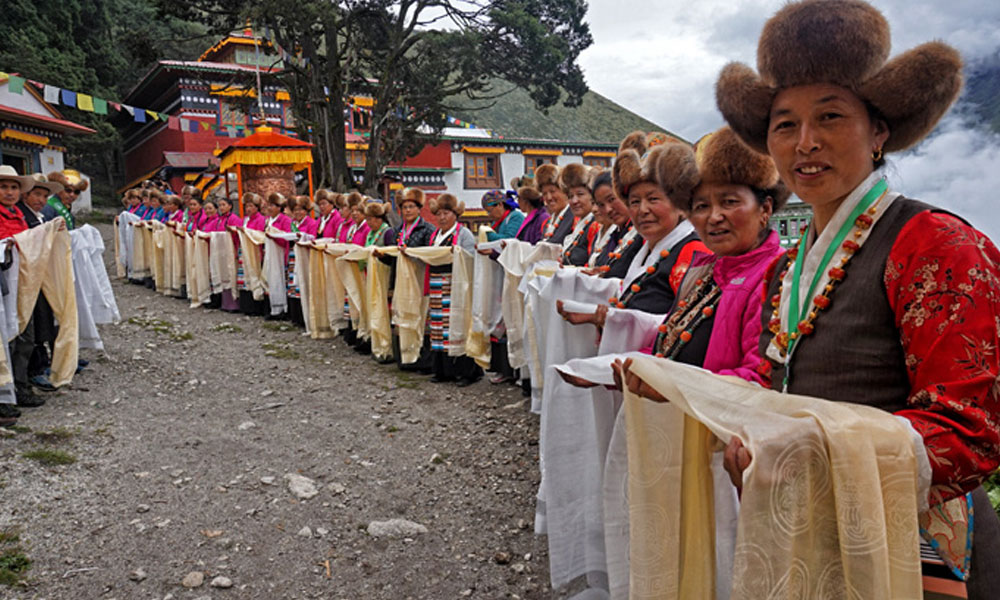 One of the festival’s most beautiful sights is the traditional attire worn by Sherpa men and women.
Women often wear elegant long dresses decorated with colorful striped aprons, silver ornaments, turquoise jewelry, and coral necklaces.
Men dress in traditional robes along with ceremonial hats and handcrafted boots.
These garments reflect centuries of Himalayan craftsmanship and cultural pride.
Combined with the colorful monastery decorations and stunning mountain landscapes, the festival becomes a photographer’s dream.
Music and Dance at Dumji

Monks perform ceremonial music using traditional Buddhist instruments that create a deeply spiritual atmosphere.As a end of day all the villager will gather traditional dance for its success and enjoyment.
Outside the monastery, villagers gather to sing folk songs that tell stories about mountain life, Buddhism, family traditions, and local history.
The combination of sacred music and community celebrations creates a festival unlike any other in Nepal.
Dumji Festival and Sherpa Identity
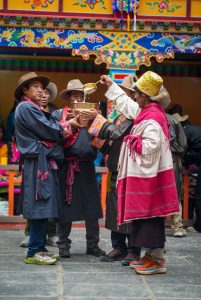 More than a religious celebration, Dumji embodies the spirit, heritage, and identity of the Sherpa community.
It brings together people of all ages—from respected elders who preserve ancient knowledge to young children learning customs for the first time.
Families reconnect.
Old friendships are renewed.
Religious teachings are shared.
Traditional values continue to be passed from one generation to the next.
Without festivals like Dumji, much of this rich cultural heritage could gradually disappear.
Visiting Dumji Festival as a Traveler
Travelers are warmly welcomed to observe the festival, provided they respect local customs.
To enjoy the experience respectfully:
- Wear modest clothing when entering monasteries.
- Remove shoes where required.
- Always ask before taking close-up photographs.
- Avoid interrupting prayers or ceremonies.
- Walk clockwise around stupas and prayer wheels.
- Listen carefully to your local guide’s advice.
Respecting these customs helps preserve the festival’s spiritual atmosphere.
Best Time to Experience Dumji Festival
The Dumji Festival usually falls between June and July, depending on the Tibetan lunar calendar.
Because the dates change every year, travelers should confirm the festival schedule before planning their journey.
Combining Dumji with an Everest Base Camp Trek, Everest View Trek, or cultural tour allows visitors to experience both spectacular Himalayan scenery and authentic Sherpa traditions.
Why You Should Experience Dumji Festival
Many visitors travel to the Everest region hoping to see the world’s highest mountains.
Those who visit during Dumji discover something equally unforgettable—the warmth of Sherpa hospitality, the beauty of Buddhist traditions, and the powerful sense of community that defines life in the Himalayas.
Watching monks perform sacred dances, hearing ancient chants echo through mountain monasteries, sharing traditional meals with local families, and witnessing centuries-old customs firsthand creates memories that last a lifetime.
Dumji is not simply a festival.
It is a celebration of faith, culture, family, and resilience.
Conclusion
The Dumji Festival offers a rare glimpse into the living traditions of the Sherpa people. It beautifully combines spirituality, history, community, and celebration against the breathtaking backdrop of the Himalayas.
For anyone interested in Nepal’s diverse cultural heritage, Dumji is an unforgettable experience that reveals a side of the Everest region few travelers truly understand. Whether you visit as a pilgrim, photographer, cultural enthusiast, or trekker, the festival leaves a lasting impression through its timeless rituals, welcoming communities, and profound spiritual atmosphere.
Experiencing Dumji is not just about witnessing a festival—it is about connecting with the enduring soul of the Himalayas.