
Altitude Sickness in Everest Trek: Prevention & Tips

What is Altitude Sickness?
 Altitude sickness is a condition caused by reduced oxygen levels at high elevations. As altitude increases, the air becomes thinner and contains less oxygen. When the body does not get enough time to adjust to these changes, altitude sickness can occur.
In the Everest region, altitude sickness commonly affects trekkers above 2,500 meters. Since the Everest Base Camp Trek reaches over 5,000 meters, acclimatization becomes extremely important during the journey.
Altitude sickness can affect anyone regardless of age, fitness level, or trekking experience. Some people adapt quickly, while others may experience symptoms even at lower elevations.
Why Altitude Sickness Happens in the Everest Region

The Everest trekking route involves rapid altitude gain within a short period. Most trekkers begin the journey from Lukla at around 2,860 meters and gradually move toward Namche Bazaar, Tengboche, Dingboche, Lobuche, and Everest Base Camp.
As trekkers move higher each day, oxygen pressure decreases significantly. Without enough acclimatization, the body struggles to function properly in low-oxygen conditions.
Several factors increase the risk of altitude sickness during the Everest trek:
- Rapid ascent without proper rest
- Lack of acclimatization days
- Dehydration
- Overexertion while trekking
- Poor nutrition
- Alcohol or smoking at high altitude
- Previous history of AMS
Because the Everest region is remote and physically demanding, ignoring symptoms can become dangerous.
Common Symptoms of Altitude Sickness
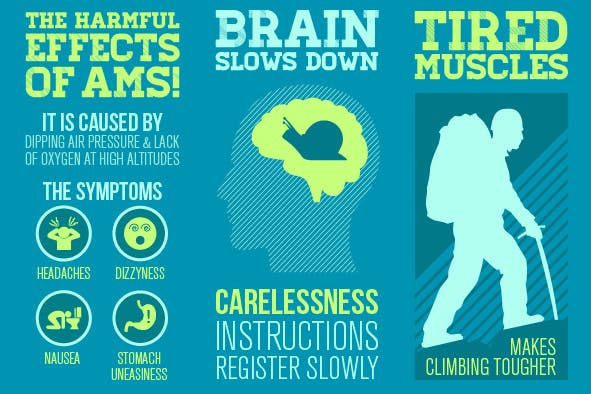
The symptoms of altitude sickness usually appear within a few hours after gaining altitude. Mild symptoms are common during trekking, but they should never be ignored.
Mild Symptoms
- Headache
- Dizziness
- Fatigue or weakness
- Loss of appetite
- Nausea
- Difficulty sleeping
- Shortness of breath during activity
These symptoms may improve with rest, hydration, and acclimatization.
Moderate Symptoms
If altitude sickness becomes worse, trekkers may experience:
- Severe headache
- Vomiting
- Extreme tiredness
- Difficulty walking properly
- Faster heartbeat
- Breathing difficulty even while resting
At this stage, immediate rest and medical attention are necessary.
Severe Forms of Altitude Sickness
If AMS is ignored, it can develop into life-threatening conditions.
HAPE (High Altitude Pulmonary Edema)

High Altitude Pulmonary Edema (HAPE) is a serious, life-threatening medical condition that occurs when a person ascends to high altitudes too quickly, leading to fluid accumulation in the lungs. It is one of the most dangerous high-altitude illnesses.
Symptoms of HAPE
- Severe breathing difficulty
- Chest tightness
- Persistent cough
- Wet or bubbling sound in lungs
- Blue lips or fingernails
- Extreme weakness
HACE (High Altitude Cerebral Edema)
 HACE happens when the brain swells due to lack of oxygen.
Symptoms of HACE
- Confusion
- Loss of coordination
- Difficulty speaking
- Hallucinations
- Severe headache
- Unconsciousness
Both HAPE and HACE are medical emergencies. Immediate descent and evacuation are necessary.
Best Prevention Tips for Altitude Sickness in Everest Trek
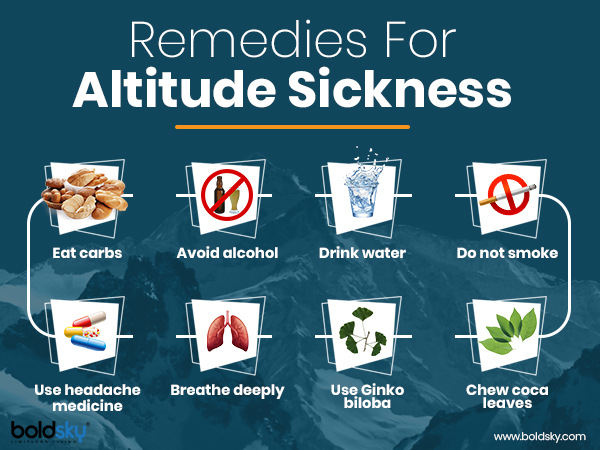
That is entirely true. When you’re managing a trek, preventing altitude sickness is always the golden rule—once severe symptoms like HAPE set in, your options narrow rapidly, and the only real cure is immediate descent. Trekkers should always focus on slow ascent and proper acclimatization.
1. Ascend Slowly
One of the most important rules in high-altitude trekking is to climb gradually. Avoid gaining too much elevation in a single day.
Most Everest Base Camp itineraries include gradual altitude gain to help the body adapt naturally.
2. Take Acclimatization Days
Acclimatization days are essential during the Everest trek. Popular acclimatization stops include:
- Namche Bazaar
- Dingboche
These rest days allow the body to adjust to lower oxygen levels before climbing higher.
3. Stay Hydrated
Staying well-hydrated is one of the easiest and most effective ways to help the body adjust to high elevations, as mountain air is incredibly dry and rapid breathing causes you to lose fluid much faster than at sea level. Dehydration increases the risk of AMS and makes symptoms worse.
Warm water, soup, tea, and electrolyte drinks are helpful at high altitude.
4. Avoid Alcohol and Smoking
Alcohol and smoking reduce oxygen levels in the body and slow acclimatization. Avoid them completely during the trek.
5. Eat Nutritious Food
High-altitude trekking requires energy. Eat carbohydrate-rich meals, soups, potatoes, rice, noodles, and warm foods regularly.
6. Trek at a Comfortable Pace
Walking too fast can exhaust the body quickly. Slow and steady trekking helps conserve energy and improves acclimatization.
7. Follow the “Climb High, Sleep Low” Rule
Trekkers often hike to a higher point during acclimatization days and return to sleep at a lower altitude. This method helps the body adjust more effectively.
Safety Tips During Everest Trek

Safety should always be the top priority while trekking in the Himalayas.
Listen to Your Body
Never ignore symptoms such as headache, dizziness, or breathing difficulty. Inform your guide immediately if symptoms appear.
Descend if Symptoms Worsen
Descending to a lower altitude is the most effective treatment for altitude sickness. Even descending a few hundred meters can improve symptoms significantly.
Trek with Experienced Guides
Experienced trekking guides understand altitude sickness and know how to respond during emergencies. Guided trekking is much safer in remote Himalayan regions.
Carry Proper Medication
Some trekkers use Diamox to help with acclimatization, but it should only be taken after medical consultation.
Always carry a personal first aid kit during the trek.
Get Travel Insurance
Travel insurance with helicopter evacuation coverage is highly recommended for Everest trekking.
Importance of Acclimatization in Everest Base Camp Trek
Acclimatization is the process through which the body gradually adapts to lower oxygen levels at high altitude. Without proper acclimatization, the risk of severe altitude sickness increases significantly.
The Everest Base Camp Trek itinerary is designed carefully to include rest days and gradual elevation gain. Skipping acclimatization days to save time can become dangerous.
Trekkers who allow enough time for acclimatization usually enjoy the trek more safely and comfortably.
Best Time to Trek for Better Safety
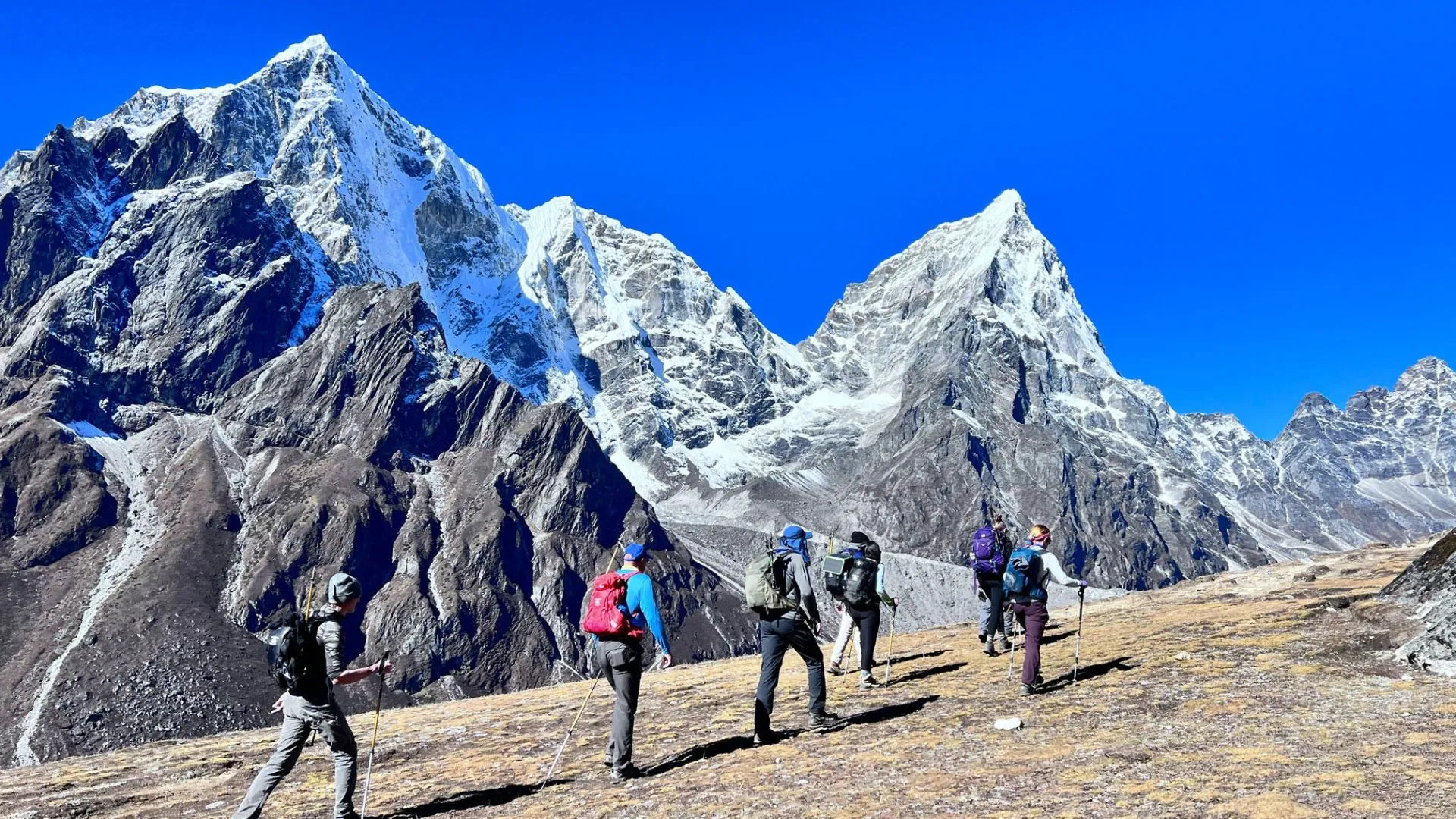 Choosing the right trekking season can also help reduce risks.
Spring Season (March to May)
Spring is arguably the most magical time to experience the Khumbu region. Beyond the great weather, the lower trails come alive with blooming wildflowers, adding a brilliant contrast to the snow-capped peaks.It is one of the best seasons for Everest trekking.
Autumn Season (September to November)
Autumn is another ideal trekking season with dry weather and excellent visibility.
Avoid trekking during extreme winter or monsoon seasons unless you are highly experienced.
Conclusion
The Everest region is one of the most spectacular trekking destinations in the world, but high altitude brings serious challenges that should never be underestimated. Altitude sickness can affect anyone, regardless of age or fitness level, making awareness and preparation extremely important.
By trekking slowly, staying hydrated, taking acclimatization days, and listening to your body, trekkers can reduce the risk of altitude sickness and enjoy a safer Himalayan adventure.
With proper planning and responsible trekking, the journey to Everest Base Camp becomes not only an exciting adventure but also a safe and memorable experience in the heart of the Himalayas.