
Permitted Peak Of Nepal
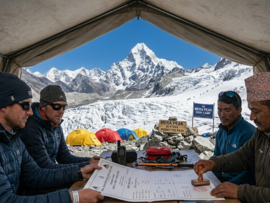
Nepal is known all over the world for its beautiful mountains and trekking adventures. From small trekking routes to the highest peaks on earth, Nepal offers something for every adventure lover. However, not all mountains are open for climbing. Some peaks are restricted, and some are considered sacred. That is why the government has listed certain mountains as permitted peaks, which climbers can climb with proper permission.
In this blog, you will learn about permitted peaks of Nepal, their types, popular peaks, permits, cost, risks, safety measures, and the best time to climb.
What Are Permitted Peaks?
Permitted peaks are mountains that climbers are allowed to climb only after getting official permission. These permits are issued by the Nepal Mountaineering Association and the Department of Tourism.
The main purpose of permits is to:
-
Ensure climber safety
-
Protect the environment
-
Manage tourism properly
Without a permit, climbing any mountain in Nepal is illegal. So, every climber must follow the rules and climb through a registered agency.
Types of Permitted Peaks
Trekking Peaks
These are easier peaks and are suitable for beginners. Basic climbing skills, good fitness, and a guide are enough to climb these peaks.
Expedition Peaks
These are more difficult and require technical skills, experience, and longer expedition time. These peaks are usually above 7,000 meters.
Popular Permitted Peaks in Nepal
Island Peak (6,189m)
 Island Peak is one of the most popular trekking peaks in the Everest region. It is often combined with the Everest Base Camp trek. This peak is perfect for beginners who want real mountaineering experience. It includes glacier walking, rope climbing, and a steep summit push. From the top, climbers can see Everest, Lhotse, and Ama Dablam.
Mera Peak (6,476m)
 Mera Peak is the highest trekking peak in Nepal. It is less technical but physically demanding due to altitude. The route passes through the remote Hinku Valley, offering peaceful trails and natural beauty. From the summit, climbers can see five of the world’s highest peaks including Everest and Makalu.
Lobuche East (6,119m)
 Lobuche East is a more technical peak compared to Island Peak. It is ideal for climbers who want to improve their mountaineering skills. The climb includes steep snow and ice sections, making it more challenging but highly rewarding with amazing Everest region views.
Pisang Peak (6,091m)
 Pisang Peak is located in the Annapurna region and is often combined with the Annapurna Circuit trek. It is a moderate-level climbing peak. It offers a mix of cultural trekking, village experience, and Himalayan adventure.
Permit and Cost
To climb any permitted peak in Nepal, you must get a permit. The cost depends on the peak, season, and services.
1. Permit Cost
-
Spring season (March–May): USD 250 – 350
-
Autumn season (Sept–Nov): USD 125 – 200
-
Off-season: slightly lower fees
2. Full Climbing Package Cost
If you book through a trekking company, the package includes permit, guide, food, accommodation, and logistics.
-
Island Peak: USD 1,800 – 2,500
-
Mera Peak: USD 2,000 – 3,000
-
Lobuche East: USD 2,200 – 2,800
-
Pisang Peak: USD 2,000 – 2,600
3. Extra Costs
- Guide: USD 30–40 per day
- Porter: USD 20–25 per day
- Gear rental: USD 100–300
👉 Note: Cost varies depending on service level and group size.
Risks and Safety Measures
Climbing Himalayan peaks is exciting but also comes with risks.
Common Risks
- Altitude sickness
- Extreme weather changes
- Avalanche and falling ice
- Technical climbing challenges
- Fatigue and dehydration
Safety Measures
To stay safe during the climb:
-
Always climb with a licensed guide
-
Use proper climbing gear (helmet, crampons, harness)
-
Acclimatize properly before climbing high
-
Stay hydrated and eat well
-
Check weather conditions daily
-
Carry travel insurance that covers high-altitude climbing
👉 Safety should always come before reaching the summit.
Best Time to Climb
Spring (March to May)
Best season with stable weather and clear views.
Autumn (September to November)
Second best season with good weather and fewer crowds.
Note: Avoid monsoon and winter due to heavy snow and storms.
Why Choose Permitted Peaks in Nepal?
-
Wide range of peaks for all levels
-
Stunning Himalayan scenery
-
Well-managed climbing system
-
Experienced guides available
-
Cultural and natural experience together
Permitted peaks are the best way to start your mountaineering journey.
Conclusion
Permitted peaks of Nepal offer a safe and legal way to experience the Himalayas. Whether you are a beginner or an experienced climber, there are many options to explore.
With proper preparation, safety measures, and guidance, climbing these peaks can become one of the most unforgettable adventures of your life. So, if you are planning your next Himalayan journey, Nepal’s permitted peaks are the perfect choice.