
Sherpa Culture & Altitude Sickness in Everest Trek

Introduction
 The Everest region of Nepal is one of the most iconic and culturally rich trekking destinations in the world. It is globally known for Mount Everest, the highest peak on Earth, but the region is equally famous for its Sherpa people, their unique culture, spiritual traditions, and high-altitude lifestyle.
Sherpas are not just inhabitants of the Himalayas; they are an essential part of its identity. Their culture has been shaped over centuries by migration from Tibet, adaptation to extreme mountain conditions, and deep influence of Tibetan Buddhism. Life in the Everest region is a blend of simplicity, spirituality, and survival in one of the harshest environments on Earth.
Every village, from Namche Bazaar to remote high-altitude settlements, reflects a strong connection between humans and nature. Prayer flags flutter in the wind, monasteries echo with chants, and mountain paths are lined with sacred stones carved with mantras. Alongside this rich cultural heritage, Sherpas also play a vital role in global mountaineering, guiding climbers safely through the world’s highest peaks.
At the same time, trekking in this region involves high-altitude risks such as altitude sickness, which every traveler must understand before entering the Himalayas. This guide explains Sherpa culture in detail along with essential trekking safety knowledge.
Sherpa Origin and History
The Sherpa people originally migrated from the eastern Tibetan region of Kham several centuries ago. Over time, they crossed difficult and high Himalayan mountain passes and gradually settled in the high valleys of northeastern Nepal, especially in the Khumbu region. The word “Sherpa” comes from the Tibetan language, where “Shar” means east and “Pa” means people, together meaning “eastern people,” which directly reflects their Tibetan origin and migration history.
After settling in the Himalayas, Sherpas developed a way of life closely connected to the mountains. They relied on yak herding, small-scale farming, and trade across mountain routes to survive in the harsh environment. Living at such extreme altitudes over many generations also led to natural physiological adaptations, allowing them to function efficiently in low-oxygen conditions where most people struggle.
This unique combination of cultural heritage, mountain lifestyle, and high-altitude adaptation is why Sherpas are globally respected today, especially in mountaineering. Their strength, endurance, and deep knowledge of the Himalayas have made them essential partners in Himalayan exploration and Everest expeditions.
Sherpa Lifestyle and Living Style
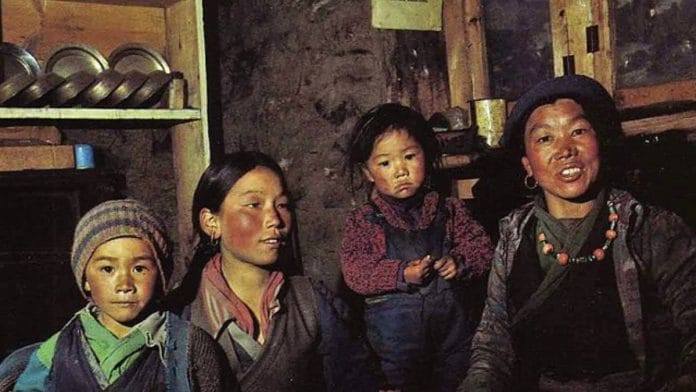 Sherpa life is simple, traditional, and closely connected to the natural environment of the Himalayas. Most Sherpa villages are located at high altitudes between 2,500m and 4,000m, where the climate is cold, the land is steep, and agriculture is limited. Because of these harsh conditions, settlements are carefully built on mountain slopes, and houses are traditionally constructed using stone walls, wooden beams, and small windows to retain warmth and protect against strong winds and snow.
The Sherpa livelihood is mainly based on a combination of subsistence farming, animal husbandry, and, more recently, tourism. In agriculture, crops such as potatoes, barley, and buckwheat are commonly grown, although production is limited due to the short growing season. Yaks play a central role in Sherpa life. They are highly valued animals that provide milk, butter, meat, wool, and transport for heavy loads across rugged mountain trails, making them essential for survival in remote areas.
In recent decades, tourism and mountaineering have become the most important sources of income. Many Sherpas now work as trekking guides, expedition leaders, porters, and lodge owners, especially in the Everest region. Their deep knowledge of the mountains, physical endurance, and experience in high-altitude conditions make them vital to Himalayan tourism.
Despite growing modernization and global influence, Sherpa society continues to preserve its strong cultural identity. Community life is based on cooperation, mutual support, and hospitality. Respect for nature and spiritual traditions rooted in Tibetan Buddhism remain central values, shaping both daily life and long-term cultural practices.
Sherpa Religion and Festivals
Sherpa culture is deeply rooted in Tibetan Buddhism, which influences their festivals, rituals, and daily life. Religion is not separate from lifestyle—it is a guiding force in everything they do.
1. Mani Rimdu Festival
 The Mani Rimdu festival is the most important and spiritually significant festival of the Khumbu Region, especially celebrated at Tengboche Monastery. It usually takes place in October or November and lasts for several days. The festival is deeply rooted in Tibetan Buddhism and symbolizes the victory of compassion and wisdom over ignorance and evil forces.
During Mani Rimdu, monks perform sacred masked dances called Cham, which represent deities, protectors, and spiritual forces. These dances are not just performances but are considered powerful religious rituals meant to purify the environment and bring peace to the world. Along with dances, there are long prayer ceremonies, fire rituals, and blessings for the community.
Sherpa people from surrounding villages gather in large numbers to attend the festival. It is also a major attraction for trekkers visiting the Everest region, but for Sherpas, it remains primarily a spiritual event that strengthens faith, community identity, and connection with Buddhist teachings.
2. Lhosar (Sherpa New Year)
 Lhosar is the Sherpa New Year and one of the most joyful and widely celebrated festivals in Sherpa culture. It marks the beginning of a new lunar year and is a time for renewal, gratitude, and family reunion. The festival usually falls in winter and is celebrated with great enthusiasm across Sherpa settlements.
During Lhosar, homes are cleaned and decorated, and families prepare special traditional foods such as khapse (fried pastries), butter tea, and local dishes made from barley and potatoes. People wear their finest traditional clothing and gather with relatives and neighbors to share meals, dance, and sing.
Religious rituals are also an important part of Lhosar. People visit monasteries to offer prayers, light butter lamps, and receive blessings from monks for health, happiness, and prosperity in the coming year. The festival strengthens social bonds and reinforces cultural identity, especially among younger generations.
3. Dumje Festival
 Dumje is a highly respected religious and community festival dedicated to Guru Rinpoche (Padmasambhava), who is believed to have introduced Buddhism to the Himalayan region. It is celebrated in various Sherpa villages at different times, usually in summer.
The festival is both spiritual and social in nature. Religious rituals include chanting of sacred texts, offerings to deities, and prayers for protection against natural disasters, illness, and misfortune. Monks and community leaders guide these ceremonies, emphasizing moral values and spiritual discipline.
In addition to religious practices, Dumje also serves as a strong community gathering. Villagers come together to share food, dance, and strengthen unity. It reinforces cooperation, mutual support, and collective responsibility within Sherpa society, which is especially important in remote mountain environments where survival depends on teamwork.
4. Buddha Jayanti
 Buddha Jayanti celebrates the birth, enlightenment, and death (parinirvana) of Lord Buddha. It is one of the most sacred days for Buddhist communities, including the Sherpas. The festival usually falls in April or May and is observed with deep devotion across monasteries and villages.
On this day, Sherpa people visit monasteries to offer prayers, light butter lamps, and meditate. Monks chant Buddhist scriptures, creating a peaceful and spiritual atmosphere. Prayer flags are hoisted, symbolizing blessings for all living beings and harmony in the world.
For Sherpas, Buddha Jayanti is not only a religious festival but also a reminder of compassion, non-violence, and inner peace. It strengthens their connection to Buddhist philosophy, which deeply influences their daily life, cultural values, and respect for nature.
Altitude Sickness in Everest Trek: Prevention & Safety Tips
 Trekking in the Everest region, especially toward Everest Base Camp, is one of the most thrilling adventures in the world. However, the increasing altitude also brings the risk of altitude sickness, also known as Acute Mountain Sickness (AMS). It happens when your body struggles to adjust to low oxygen levels at high elevations.
The trek usually starts from Lukla (around 2,800m) and quickly rises above 3,500m in places like Namche Bazaar. As altitude increases, oxygen levels drop, and the body needs time to adapt. If ascent is too fast, altitude sickness can occur.
What is Altitude Sickness?
Altitude sickness is a condition caused by reduced oxygen pressure at high elevations. It commonly affects trekkers above 2,500m and becomes more serious as you go higher. In the Everest region, it is a major concern because trekkers rapidly gain elevation within a few days.
Causes of Altitude Sickness
-
Rapid ascent without rest
-
Low oxygen levels at high altitude
-
Lack of acclimatization days
-
Dehydration or overexertion
Common Symptoms
-
Headache (most common)
-
Dizziness or feeling weak
-
Nausea or vomiting
-
Loss of appetite
-
Difficulty sleeping
-
Shortness of breath while resting
Severe Forms (Dangerous)
If ignored, AMS can become life-threatening:
-
HAPE (High Altitude Pulmonary Edema): Fluid in lungs, breathing difficulty
-
HACE (High Altitude Cerebral Edema): Swelling of brain, confusion, loss of coordination
Prevention Tips for Everest Trek
-
Ascend slowly (do not rush altitude gain)
-
Take acclimatization rest days (especially Namche & Dingboche)
-
Drink plenty of water (3–4 liters daily)
-
Avoid alcohol and smoking
-
Eat light and energy-rich food
-
Follow “climb high, sleep low” rule
Safety Advice
-
Always listen to your body
-
Inform your guide immediately if symptoms start
-
Do not continue climbing if symptoms worsen
-
Descend immediately if severe symptoms appear
-
Carry prescribed medication like Diamox (only with medical advice)
Conclusion
The Sherpa people of the Everest region represent a unique Himalayan culture shaped by migration from Tibet, high-altitude adaptation, and deep Buddhist traditions. Their lifestyle, occupations, and festivals such as Mani Rimdu, Lhosar, and Dumje reflect a strong spiritual and community-based way of life.
At the same time, trekking in the Everest region requires awareness of altitude sickness, which can affect anyone regardless of fitness level. With proper preparation, respect for local culture, and careful acclimatization, travelers can safely experience the beauty, spirituality, and adventure of the Everest region.